







Foreign Policy of Modern Turkey
Foreign Policy of Modern Turkey
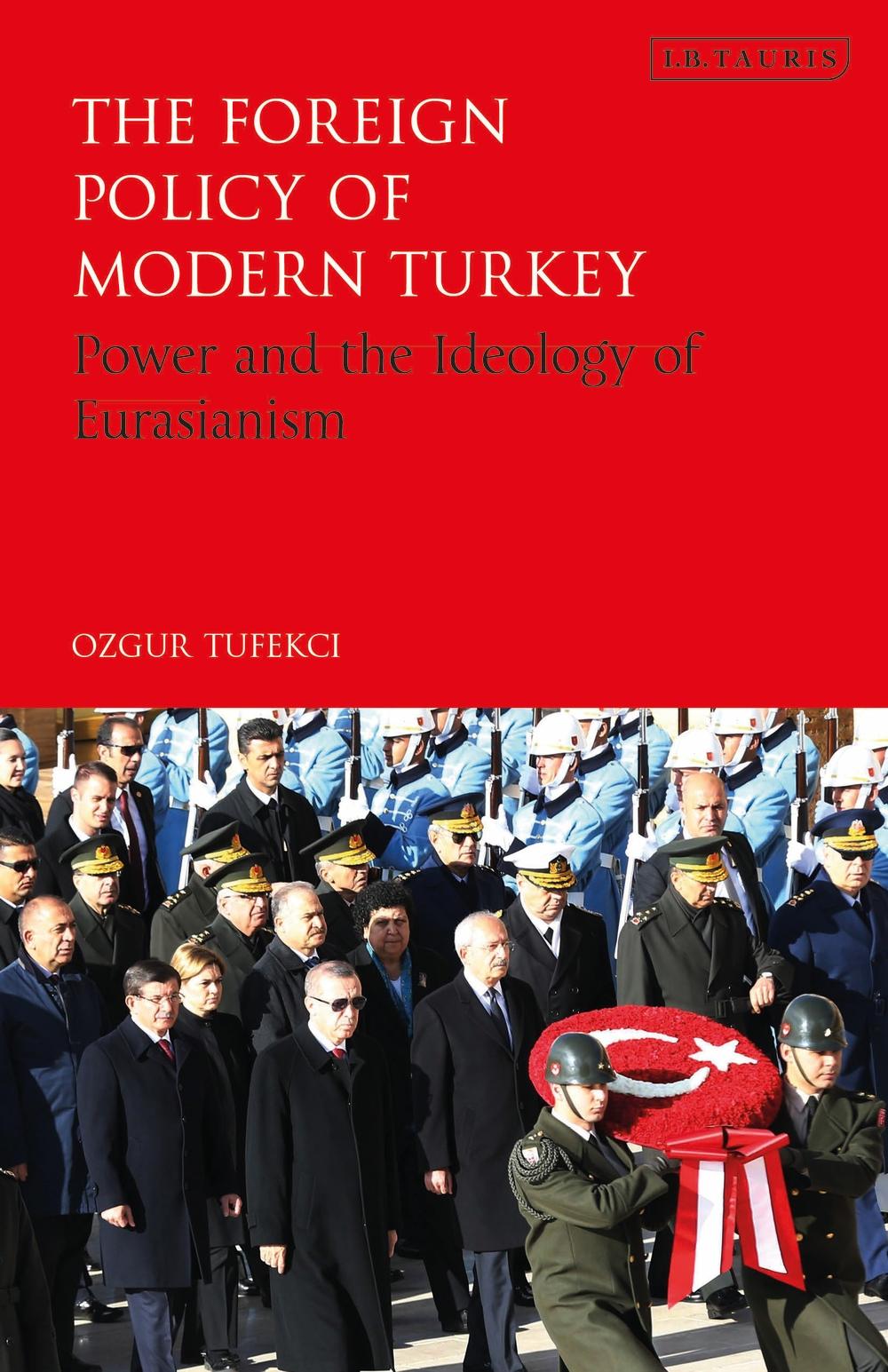
In the last three decades, Turkey has attempted to build close relationships with Russia, Iran and the Turkic World. As a result, there has been ongoing debate about the extent to which Turkey's international relations axis is shifting eastwards. Ozgur Tufekci argues that Eurasianist ideology has been fundamental to Turkish foreign policy and continues to have influence today. The author first explores the historical roots of Eurasianism in the 19th century, comparing this to Neo-Eurasianism and Pan-Slavism. The Ozal era (1983-1993), the Cem era (1997-2002) and Davutoglu era (since 2003) are then examined to reveal how foreign policy making has been informed by discourses of Eurasianism, and how Eurasianist ideas were implemented through internal and external socio-economic and political factors.
PRP: 231.13 Lei

Acesta este Prețul Recomandat de Producător. Prețul de vânzare al produsului este afișat mai jos.
184.90Lei
184.90Lei
231.13 LeiPrimești 184 puncte
Indisponibil
Descrierea produsului
In the last three decades, Turkey has attempted to build close relationships with Russia, Iran and the Turkic World. As a result, there has been ongoing debate about the extent to which Turkey's international relations axis is shifting eastwards. Ozgur Tufekci argues that Eurasianist ideology has been fundamental to Turkish foreign policy and continues to have influence today. The author first explores the historical roots of Eurasianism in the 19th century, comparing this to Neo-Eurasianism and Pan-Slavism. The Ozal era (1983-1993), the Cem era (1997-2002) and Davutoglu era (since 2003) are then examined to reveal how foreign policy making has been informed by discourses of Eurasianism, and how Eurasianist ideas were implemented through internal and external socio-economic and political factors.
Detaliile produsului



