





Still Lives: Jewish Photography in Nazi Germany
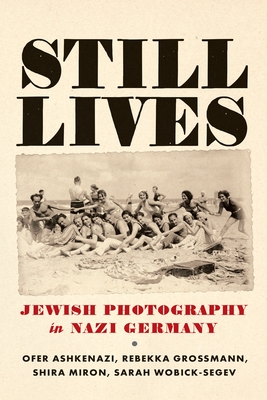
Still Lives: Jewish Photography in Nazi Germany
How German Jews used photographs to document their experiences in the face of National Socialism
Still Lives is a systematic study of the ways Jews used photographs to document their experiences in the face of National Socialism. In a time of intensifying anti-Jewish rhetoric and policies, German Jews documented their lives and their environment in tens of thousands of photographs. German Jews of considerably diverse backgrounds took and preserved these photographs: professional and amateurs, of different ages, gender, and classes. The book argues that their previously overlooked photographs convey otherwise unuttered views, emotions, and self-perceptions. Based on a database of more than fifteen thousand relevant images, it analyzes photographs within the historical contexts of their production, preservation, and intended viewing, and explores a plethora of Jews' reactions to the changing landscapes of post-1933 Germany. Here, the authors claim that these reactions complement, complicate, and, sometimes, undermine the contents of contemporaneous written sources.
PRP: 527.00 Lei

Acesta este Prețul Recomandat de Producător. Prețul de vânzare al produsului este afișat mai jos.
421.60Lei
421.60Lei
527.00 LeiPrimești 421 puncte
Indisponibil
Descrierea produsului
How German Jews used photographs to document their experiences in the face of National Socialism
Still Lives is a systematic study of the ways Jews used photographs to document their experiences in the face of National Socialism. In a time of intensifying anti-Jewish rhetoric and policies, German Jews documented their lives and their environment in tens of thousands of photographs. German Jews of considerably diverse backgrounds took and preserved these photographs: professional and amateurs, of different ages, gender, and classes. The book argues that their previously overlooked photographs convey otherwise unuttered views, emotions, and self-perceptions. Based on a database of more than fifteen thousand relevant images, it analyzes photographs within the historical contexts of their production, preservation, and intended viewing, and explores a plethora of Jews' reactions to the changing landscapes of post-1933 Germany. Here, the authors claim that these reactions complement, complicate, and, sometimes, undermine the contents of contemporaneous written sources.
Detaliile produsului



