





The Good Country: A History of the American Midwest, 1800-1900
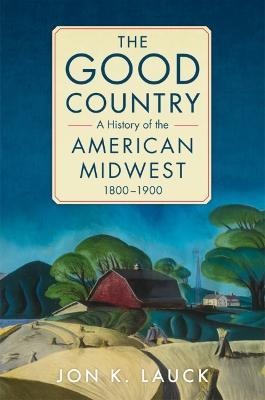
The Good Country: A History of the American Midwest, 1800-1900
At the center of American history is a hole--a gap where some scholars' indifference or disdain has too long stood in for the true story of the American Midwest. A first-ever chronicle of the Midwest's formative century, The Good Country restores this American heartland to its central place in the nation's history. Jon K. Lauck, the premier historian of the region, puts midwestern "squares" center stage--an unorthodox approach that leads to surprising conclusions. The American Midwest, in Lauck's cogent account, was the most democratically advanced place in the world during the nineteenth century. The Good Country describes a rich civic culture that prized education, literature, libraries, and the arts; developed a stable social order grounded in Victorian norms, republican virtue, and Christian teachings; and generally put democratic ideals into practice to a greater extent than any nation to date. The outbreak of the Civil War and the fight against the slaveholding South only deepened the Midwest's dedication to advancing a democratic culture and solidified its regional identity. The "good country" was, of course, not the "perfect country," and Lauck devotes a chapter to the question of race in the Midwest, finding early examples of overt racism but also discovering a steady march toward racial progress. He also finds many instances of modest reforms enacted through the democratic process and designed to address particular social problems, as well as significant advances for women, who were active in civic affairs and took advantage of the Midwest's openness to women in higher education. Lauck reaches his conclusions through a measured analysis that weighs historical achievements and injustices, rejects the acrimonious tones of the culture wars, and seeks a new historical discourse grounded in fair readings of the American past. In a trying time of contested politics and culture, his book locates a middle ground, fittingly, in the center of the country.
PRP: 250.64 Lei

Acesta este Prețul Recomandat de Producător. Prețul de vânzare al produsului este afișat mai jos.
200.51Lei
200.51Lei
250.64 LeiPrimești 200 puncte
Livrare in 2-4 saptamani
Descrierea produsului
At the center of American history is a hole--a gap where some scholars' indifference or disdain has too long stood in for the true story of the American Midwest. A first-ever chronicle of the Midwest's formative century, The Good Country restores this American heartland to its central place in the nation's history. Jon K. Lauck, the premier historian of the region, puts midwestern "squares" center stage--an unorthodox approach that leads to surprising conclusions. The American Midwest, in Lauck's cogent account, was the most democratically advanced place in the world during the nineteenth century. The Good Country describes a rich civic culture that prized education, literature, libraries, and the arts; developed a stable social order grounded in Victorian norms, republican virtue, and Christian teachings; and generally put democratic ideals into practice to a greater extent than any nation to date. The outbreak of the Civil War and the fight against the slaveholding South only deepened the Midwest's dedication to advancing a democratic culture and solidified its regional identity. The "good country" was, of course, not the "perfect country," and Lauck devotes a chapter to the question of race in the Midwest, finding early examples of overt racism but also discovering a steady march toward racial progress. He also finds many instances of modest reforms enacted through the democratic process and designed to address particular social problems, as well as significant advances for women, who were active in civic affairs and took advantage of the Midwest's openness to women in higher education. Lauck reaches his conclusions through a measured analysis that weighs historical achievements and injustices, rejects the acrimonious tones of the culture wars, and seeks a new historical discourse grounded in fair readings of the American past. In a trying time of contested politics and culture, his book locates a middle ground, fittingly, in the center of the country.
Detaliile produsului



