





Those Who Touch: Tuareg Medicine Women in Anthropolotical Perspective
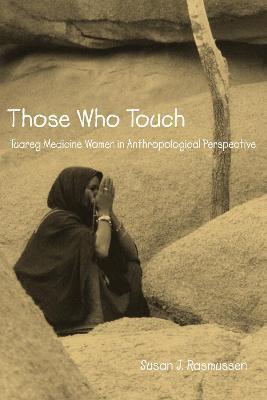
Those Who Touch: Tuareg Medicine Women in Anthropolotical Perspective
A twenty-five-year veteran of field research in Niger and Mali, anthropologist Susan J. Rasmussen examines the female-dominated practice of herbalism in the seminomadic Muslim communities of Tuareg. Medicine women, known as tinesmegelen, diagnose by touch and treat their patients--mostly women and children--with leaves, bark, and roots from trees associated with ancestral spirits. In addition to healing, they relate oral traditions, offer marital counseling, protect patients against potential domestic violence, and practice divination.
By earning the trust of nearly twenty medicine women over the course of her fieldwork, Rasmussen is able to provide an in-depth profile of these healers and their beliefs. The women come from diverse backgrounds, many of noble origins. Whereas they must be mothers, most do not practice their profession fully until their post-childbearing years. Rasmussen traces the mythical-historical origins of female herbalism and the initiation process for entering the profession. Significantly, she investigates the powerful relationships between medicine women and various authorities: Islamic leaders, state officials, and the medical staff of nongovernment clinics.
Rasmussen draws the reader into this fascinating world of medicine women through interviews, guided conversations, life histories, illustrative case studies, and, most importantly, the words of the healers and their patients. As a participant-observer, she shares her own experiences with descriptions of the treatments she herself received. Then, moving from a focused analysis to a broader contextual frame, she addresses central questions in anthropology about gender, knowledge, and the interface between religion and medicine.
PRP: 161.20 Lei

Acesta este Prețul Recomandat de Producător. Prețul de vânzare al produsului este afișat mai jos.
145.08Lei
145.08Lei
161.20 LeiPrimești 145 puncte
Livrare in 2-4 saptamani
Descrierea produsului
A twenty-five-year veteran of field research in Niger and Mali, anthropologist Susan J. Rasmussen examines the female-dominated practice of herbalism in the seminomadic Muslim communities of Tuareg. Medicine women, known as tinesmegelen, diagnose by touch and treat their patients--mostly women and children--with leaves, bark, and roots from trees associated with ancestral spirits. In addition to healing, they relate oral traditions, offer marital counseling, protect patients against potential domestic violence, and practice divination.
By earning the trust of nearly twenty medicine women over the course of her fieldwork, Rasmussen is able to provide an in-depth profile of these healers and their beliefs. The women come from diverse backgrounds, many of noble origins. Whereas they must be mothers, most do not practice their profession fully until their post-childbearing years. Rasmussen traces the mythical-historical origins of female herbalism and the initiation process for entering the profession. Significantly, she investigates the powerful relationships between medicine women and various authorities: Islamic leaders, state officials, and the medical staff of nongovernment clinics.
Rasmussen draws the reader into this fascinating world of medicine women through interviews, guided conversations, life histories, illustrative case studies, and, most importantly, the words of the healers and their patients. As a participant-observer, she shares her own experiences with descriptions of the treatments she herself received. Then, moving from a focused analysis to a broader contextual frame, she addresses central questions in anthropology about gender, knowledge, and the interface between religion and medicine.
Detaliile produsului



